
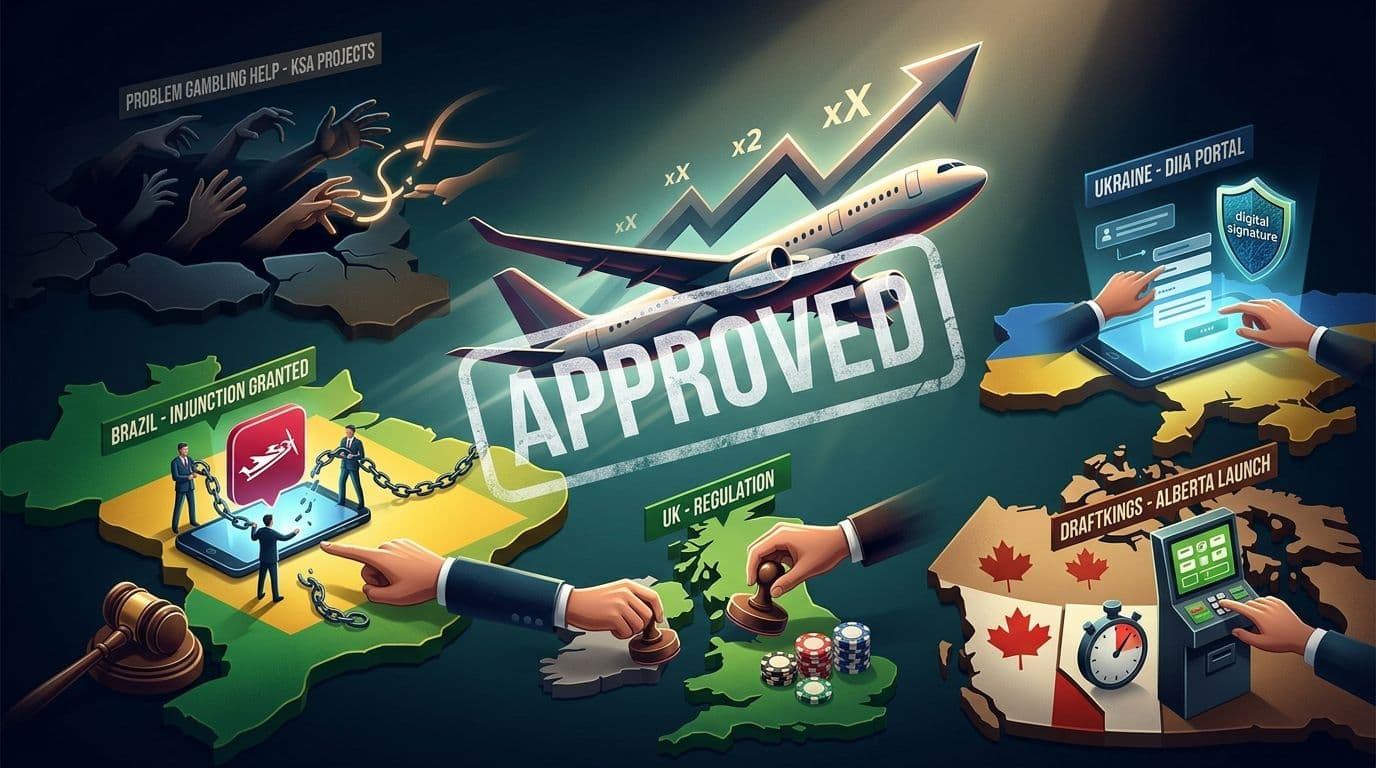


Spribe Secures Key Injunction in Aviator Lawsuit
Games developer Spribe OÜ has achieved a significant victory in its ongoing efforts to protect its intellectual property. A court in the Brazilian state of Pernambuco has granted an interim injunction against Betnacional, which is operated by the Flutter-owned company NSX Brasil S.A. This development is a critical chapter in the broader Spribe Aviator lawsuit narrative.
The court ordered NSX to immediately stop using the Aviator trademark and any confusingly similar signs or graphics. This injunction carries daily fines for non-compliance and will remain in effect while any appeals are pending. The core of the dispute was a crash-style game on Betnacional's platform, also named “Aviator,” which Spribe argued was an unauthorized copy of its own hit title.
Spribe’s case was built on its legally registered trademark for “Aviator” with Brazil’s National Institute of Industrial Property (INPI). Interestingly, Betnacional had been an authorized licensee of Spribe’s official Aviator game since 2022, but the disputed offering was from a different provider called “Aviator Studio,” which deviated from their agreement.
A Global Strategy to Protect Intellectual Property
This Brazilian case is not an isolated incident but part of Spribe's worldwide strategy to safeguard its assets. The company recently secured a similar injunction in the UK against a studio named Aviator LLC, preventing it from launching a competing crash game in that market. This consistent legal action underscores Spribe’s commitment to protecting its brand integrity.
"This interim decision in Brazil marks a significant milestone in SPRIBE’s worldwide strategy to safeguard its assets. The company is actively monitoring markets across all continents and will continue to enforce its trademark and copyright protections in every jurisdiction." - Spribe Statement
The legal history is complex, having started in Georgia in 2024 when Aviator LLC first accused Spribe of copyright infringement. However, in January 2025, Aviator LLC dropped its claims against Flutter, with reports suggesting Flutter had recognized Aviator LLC's rights to the trademark and image.
Regulatory Shifts Across Europe
While legal battles over IP continue, regulators in Europe are making significant moves to reshape their local gambling landscapes. The UK and Ukraine have both introduced major changes to their licensing and operational frameworks, signaling a trend towards greater control and modernization.
UK Edges Closer to Amending 'Aim to Permit' Rule
In the United Kingdom, local authorities are a step closer to gaining more control over the approval of new gambling premises. The English Devolution and Community Empowerment Bill has passed its third reading in the House of Lords, with Amendment 305 being a key point of interest for the industry. This amendment focuses on the current UK gambling regulation known as the “aim to permit” rule.
Currently, the default stance is to grant a license unless the local authority can provide sufficient evidence to reject it. Amendment 305 would allow councils to create ‘gambling impact assessments’ (GIAs) for specific areas. In these designated zones, the burden of proof would shift to the applicant to demonstrate that their new venue aligns with local licensing objectives, effectively reversing the default stance.
This move has been supported by PM Keir Starmer and Labour MP Dawn Butler, who have advocated for giving councils stronger powers over the location of gambling outlets. The bill will now return to the House of Commons for further consideration.
Ukraine Modernizes with Digital Licensing Portal
In Eastern Europe, Ukraine’s gambling regulator, PlayCity, has launched a new digital portal named Diia for online license applications. This new system allows businesses to apply for a Ukraine gambling license for casinos, betting, slot halls, online poker, and B2B services entirely online, eliminating the need for paper documents.
The portal uses a qualified electronic signature (QES) and can automatically retrieve some company data from state registers. This initiative is part of a broader effort to create a transparent market and includes legislative amendments to strengthen checks on applicants, including a rule that companies must not have ties to Russia. This follows the pilot of a national Online Monitoring System to track all gambling transactions and a new system to restrict military personnel from accessing gambling sites.
North American Expansion and Responsible Gaming Focus
Across the Atlantic, market expansion continues while a strong emphasis on responsible gaming remains a priority. DraftKings is poised to enter a new Canadian market, and Dutch regulators are doubling down on harm prevention.
DraftKings Targets Alberta for Canadian Expansion
Operator DraftKings Alberta plans are moving forward, with the company announcing its intent to launch online sports betting and casino products in the province on July 13, pending regulatory approval. This will be DraftKings' second Canadian province after Ontario. The timing is notable, as it aligns with the World Cup being hosted in North America.
The market entry for operators in Alberta comes with strict responsible gaming requirements. The Alberta iGaming Corporation (AiGC) has mandated that all online gaming sites must receive RG Check accreditation from the Responsible Gambling Council (RGC).
| Operator | Status in Alberta | Key Detail |
|---|---|---|
| DraftKings | Announced launch intent for July 13 | Will offer both sports betting and online casino. |
| Caesars Entertainment | Pre-registration is open | Also preparing to enter the new regulated market. |
Netherlands' KSA Funds Five New Problem Gambling Projects
Finally, the Dutch gambling authority, Kansspelautoriteit (KSA), is allocating more funds from its Addiction Prevention Fund to combat gambling harm. The KSA problem gambling initiative will support five new projects:
- Anonymous Gamblers Foundation (AGOG): To train new counselors and explore digital support options.
- Dutch Association for Psychiatry (NVvP): For creating specialized guidelines to treat gambling disorders.
- Trimbos Institute: Two projects focusing on youth gambling education and tools for employers to support staff.
- Stichting Naast: To create webinars and guides for the friends and family of problem gamblers.


