
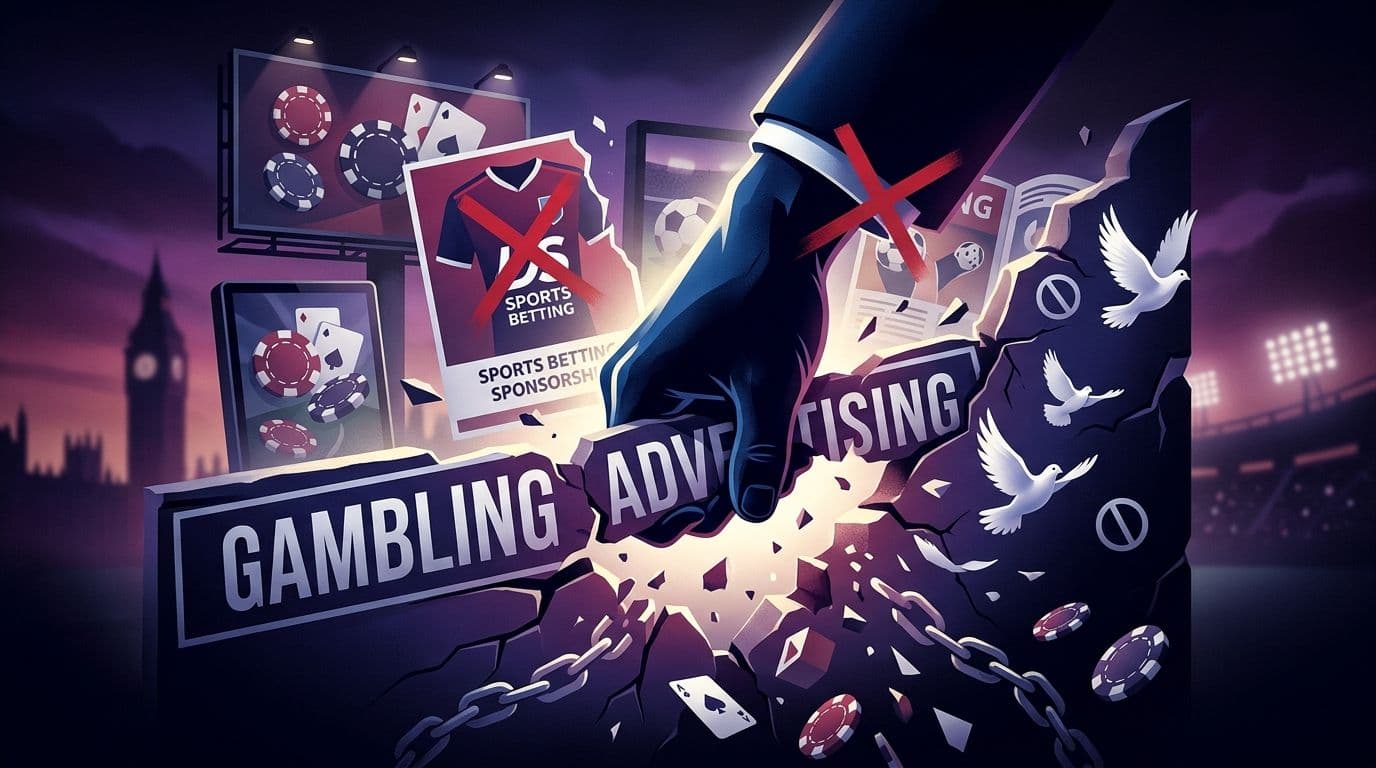


UK Parliament Considers Sweeping Gambling Advertising Ban
A new report from a UK All-Party Parliamentary Group (APPG) is advocating for a significant crackdown on gambling promotions, sparking a fierce debate over a potential gambling advertising ban. The group, co-chaired by politician Iain Duncan Smith, has outlined several measures designed to shield young and vulnerable individuals from gambling-related harm. The proposals highlight a growing political consensus on the need for stricter controls in the industry.
The report's key recommendations include a blanket ban on all gambling advertising before 9 pm, a proposal viewed by some industry watchers as a reasonable step for broadcast media. However, other suggestions have drawn more criticism. For instance, the call to end most sports sponsorships has been labeled hypocritical for exempting horse and greyhound racing, raising questions about class bias in the proposed regulations.
On the other hand, there is broad agreement on the need to regulate influencer promotions and content marketing, a rapidly growing area that current rules struggle to address. Similarly, a proposed ban on ads embedded within children's games is seen as a common-sense measure to protect the youngest audiences.
Data vs. Perception: Does Ad Spend Correlate with Harm?
Critics of a complete ban argue it could have unintended consequences. The main concern is that driving gambling advertising underground might inadvertently make it more appealing and “sexy” to younger demographics, similar to how high taxes on Scotch whisky in Franco-era Spain ironically boosted its popularity among the youth.
An industry commentator suggests that normalization is what's truly needed. They state, "if you force it underground in any way, you genuinely run the risk of sexing it right up. You need transparency, appropriate regulation, and normalisation – and combined that should basically bring us to safety for all players."
Supporting this perspective, data shows that while UK gambling advertising spend grew from approximately £250 million in 2010 to an estimated £1.5 billion in 2025, problem gambling rates have remained largely static. Yet, the sheer volume of ads is undeniable. Research from the University of Bristol found that gambling marketing messages during Premier League broadcasts tripled between 2023 and 2025, from 10,999 to 27,440 instances.
South Africa's Regulator Defends Operator Whitelist Portal
While the UK grapples with advertising rules, South Africa's regulator, the National Gambling Board (NGB), is defending the integrity of its newly launched online operator whitelist. The NGB has dismissed recent media criticism about the portal's accuracy as “speculative and unsupported.” The portal is designed to give the public a clear view of legally licensed operators in the country.
One major point of contention involves Limited Payout Machines (LPMs) that are listed on the portal with a “CLOSED” status. Critics questioned if this indicated regulatory failure. The NGB clarified that this status does not automatically mean illegal activity is occurring.
To provide clarity, we've summarized the key criticisms and the NGB's official responses:
| Criticism / Media Claim | National Gambling Board (NGB) Response |
|---|---|
| Licensed LPMs are listed as 'CLOSED', implying a regulatory failure. | The 'CLOSED' status is not an indicator of unlawful operation. It can signify temporary renovations, non-payment of fees, or a temporary stop in trading. |
| The registry allegedly contains no online gambling operators. | This claim is “inaccurate.” Prominent online sports betting providers, such as Betway, are clearly listed on the portal. |
A Call for Data Accuracy and Transparency
The conversation around South Africa gambling regulation also includes input from industry bodies. The South African Bookmakers’ Association (SABA) commended the portal's launch but urged the NGB to ensure the database is updated consistently. SABA noted that some licenses approved by Provincial Licensing Authorities (PLAs) in March 2026 were still not reflected on the national portal by early April.
This highlights a key operational challenge, as the NGB's national database relies on timely data feeds from nine different PLAs. In its closing remarks, the NGB reaffirmed its commitment to working with these stakeholders to enhance data management and improve public confidence in the regulated market.
The events in both the UK and South Africa underscore the complex challenges facing gambling regulators worldwide. Whether debating the impact of a gambling advertising ban or ensuring the accuracy of public data, the ultimate goal remains the same: to create a safe, transparent, and responsible gambling environment for all consumers.


