
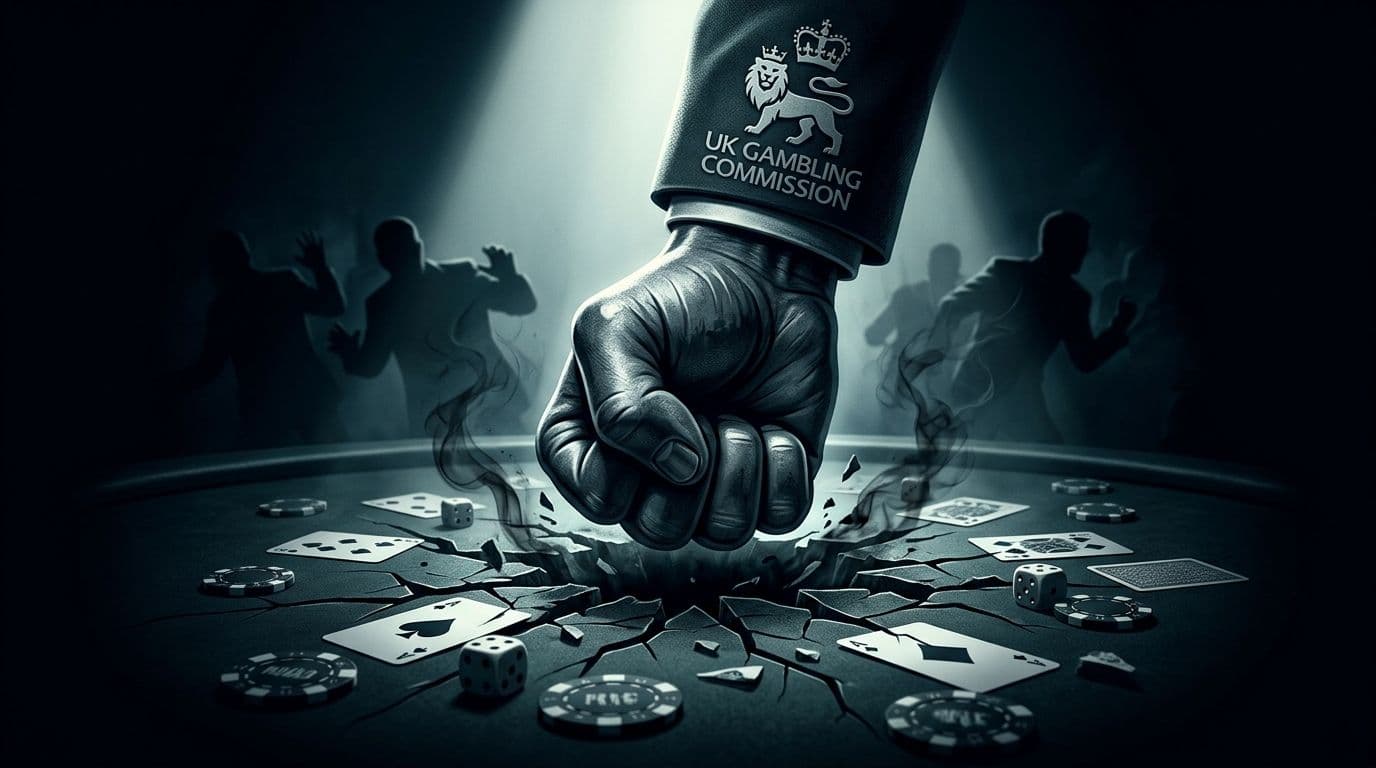


UK Intensifies Crackdown on Illegal Gambling Market
The United Kingdom is taking significant steps to address the growing influence of the illegal gambling market. The Gambling Commission has announced the creation of a new senior position, Head of Illegal Markets. This role is designed to spearhead high-profile investigations and disruption activities aimed at unlicensed operators.
Reporting to John Pierce, the Director of Enforcement and Intelligence, the new head will be a key figure in the UK's strategy for a safer gambling environment. This move comes as industry bodies like the Betting and Gaming Council (BGC) sound the alarm, citing research from H2 Gambling Capital that estimates the offshore betting market will reach £16.6 billion in 2025, a dramatic increase from £5 billion in 2019.
This initiative follows the establishment of a DCMS illegal gambling task force in January, indicating a more focused government approach to combating unregulated entities. The industry, which has long warned of the dangers posed by the black market, is likely to see this as a welcome development.
Entain Urges Football Regulator to Ban Unlicensed Sponsors
In a related push against unlicensed operators, Entain is pressuring the new Independent Football Regulator (IFR) to prohibit Premier League clubs from signing sponsorship deals with them. Entain's CEO, Stella David, has directly appealed to the IFR, framing the acceptance of such sponsorships as involvement with criminal activity under the 2005 Gambling Act.
“Premier League clubs are being sponsored by criminal gambling firms. The Independent Football Regulator can stop this tomorrow by simply acknowledging that unlicensed gambling companies targeting UK customers through English football are breaking the law – plain and simple.” - Stella David, CEO, Entain
Entain has proposed a four-point plan, urging the IFR to confirm that income from unlicensed operators is connected to criminal conduct and require club directors to verify the license status of all gambling partners. This action targets partnerships like those between Stake and Everton or DE.BET and Wolverhampton Wanderers, especially after the TGP Europe white label group, which provided UK licenses to many Asian-facing brands, ceased operations in April 2024.
Global Regulatory Landscape: Contrasting Developments
While the UK focuses on enforcement, the global stage presents a varied picture of regulatory evolution and challenges, from successful market contributions to political turmoil impacting reform.
Colombia: Record Healthcare Funding vs. Tax Pressures
In Colombia, the regulated gambling sector has made a historic contribution to public services. The regulator, Coljuegos, reported that over COP4 trillion ($1.07 billion) has been transferred to the national healthcare system since President Gustavo Petro's administration began in 2022. This amount represents nearly 45% of all such funding since Coljuegos was formed in 2012.
Despite this success, the industry faces significant financial pressure from a new 16% VAT on GGR, introduced via an emergency decree. Trade body Fecoljuegos has previously warned that similar taxes led to a 30% drop in online GGR, highlighting the delicate balance between taxation and market health in the Colombia gambling tax system.
UAE: Endorphina Secures New License in Emerging Market
The United Arab Emirates is moving forward with establishing its regulated gaming market, with Prague-based supplier Endorphina Limited securing a Gaming-Related Vendor Licence (Tier II). The license was granted by the new General Commercial Gaming Regulatory Authority (GCGRA), which has exclusive jurisdiction over all commercial gaming in the country.
Džangar Jesenov, Endorphina’s head of compliance, called the UAE gambling license an “honour and a responsibility,” placing the company among the top global providers by number of licensed jurisdictions. This development occurs as Wynn Resorts proceeds with its $5.1 billion Wynn Al Marjan Island project, which is set to be the UAE’s first regulated casino resort.
Romania: Political Instability Threatens Gambling Reform
The outlook is less certain in Romania, where the government's collapse on May 5 has created a period of political instability. This turmoil threatens to derail the ongoing Romanian gambling reform process, which included measures to grant municipalities veto power over land-based venues and raise the legal gambling age to 21.
Stasya Yautodzyeva, Head of Analytics at 4H Agency, warned that the political vacuum could empower populist forces to use anti-gambling rhetoric, leading to harsher restrictions and higher taxes. The country’s gambling authority, ONJN, has also been under scrutiny for financial mismanagement, adding another layer of complexity to the future of the nation's gambling framework.
UK Prize Draw Market Matures Under New Voluntary Code
Back in the UK, the prize draw competitions sector is shifting from a fringe activity to a mainstream market, now estimated to generate £1.3 billion in annual revenue from 7.4 million players. Its appeal to operators lies in its current position outside of the Remote Gaming Duty and Gambling Commission licensing, provided a free-entry route is available.
To address growing concerns about consumer protection, the DCMS will introduce a new voluntary code for operators on May 20. According to Richard Williams, a partner at Keystone Law, this code serves as a clear warning that the government will legislate if the industry fails to improve standards. The market is also seeing consolidation, with acquisitions like Winvia’s purchase of Best of the Best, signaling a new phase of professionalization and scale.


