
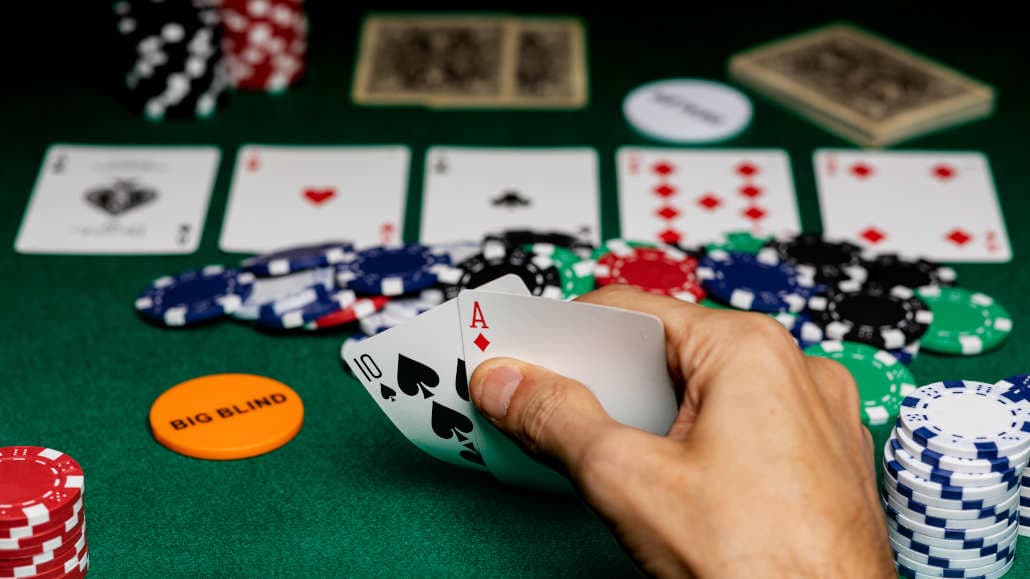


Defining the Poker Cooler
Have you ever been in a poker game, looked down at a monster hand, and felt that rush of confidence, only to end up losing the pot? If so, you may have experienced a poker cooler. This term refers to a situation where you lose a significant pot with a very strong hand because your opponent just happens to have an even stronger, often statistically improbable, hand. The core idea behind a cooler is that the loss was largely unavoidable. You played the hand correctly and aggressively, but the cards simply dealt you a cruel fate.
Understanding what constitutes a cooler is essential for your mental game. It's not a mistake or a poor play. It's a statistical anomaly that is bound to happen if you play enough poker. Recognizing these spots helps you avoid 'tilt' - letting frustration from one hand negatively impact your decisions in future hands.
Classic Examples of Getting Coolered
To fully grasp the concept, let's look at some common cooler scenarios:
- Set Over Set: You hold pocket 7s. The flop comes 7-K-2. You've hit a set, a very powerful hand. You bet, an opponent raises, and you re-raise, happy to get all your chips in the middle. They call and reveal pocket Kings for a higher set. In this spot, it's virtually impossible to fold your hand.
- Full House vs. Quads: You have A-K and the board reads A-A-K-5-9. You have a full house, aces full of kings. This is often the best possible hand. However, your opponent turns over pocket 5s, revealing they made four-of-a-kind on the turn. You were coolered.
- Flush vs. Higher Flush: You hold the King of spades, and the board has four spades, giving you the second-nut flush. You would never fold this hand, but your opponent happens to have the Ace of spades for the nut flush.
Poker Cooler vs. Bad Beat: What's the Difference?
Players often confuse a poker cooler with a bad beat, but they are distinct concepts. The key difference lies in when the money goes into the pot. In a cooler, the money generally goes in when you are already behind a superior hand. In a bad beat, you get your money in as a huge statistical favorite, but your opponent gets lucky and hits one of their few outs on the turn or river.
"A cooler is destiny. A bad beat is just bad luck. The key to long-term success is knowing the difference and not letting either one send you on tilt."
| Feature | Poker Cooler | Bad Beat |
|---|---|---|
| Hand Strength | You have a very strong hand (e.g., a full house). | You have a statistically dominant hand (e.g., 90% favorite). |
| Opponent's Hand | Your opponent has an even stronger, monster hand (e.g., quads). | Your opponent has a weak hand that gets very lucky. |
| When Money Goes In | Often throughout the hand, but you are behind from the flop or turn. | You are a massive favorite when the money goes in. |
| Key Feeling | "Unlucky, but what could I do?" | "How could they possibly hit that card?" |
How to Mentally Handle a Cooler
Getting coolered is rough, but your reaction determines its long-term impact on your bankroll. First, accept it's a part of the game's variance. You can't have poker without coolers. Second, do a quick analysis of the hand. Did you miss any signs? In a true cooler, the answer is almost always no. You played your strong hand for value, which is the correct strategy. Finally, don't let it put you on tilt. Take a deep breath, or even a short break from the table, to reset your mental state. Remember that putting money in the pot with a premium hand is a winning play in the long run, even if it doesn't work out this one time.


